Osmose
A sensory device and mobile app to support body reappropriation for young people recovering from eating disorders. From hospital to home.
Overview
Reconnecting with your body, one step at a time.
In France, over 600,000 adolescents and young adults suffer from eating disorders. One of the most persistent challenges in recovery is not just physical: it is the disconnection from their own body, and a fragmented perception of who they are physically.
Osmose is my final Master's project. Over 18 months, I worked with people living with eating disorders and health professionals to design a response to one question:
How can we support young people suffering from eating disorders in reconnecting with their bodies, and prevent relapse after leaving hospital?
Problem
The gap between leaving hospital and staying well.
Hospital treatment for eating disorders focuses on stabilisation. But what happens after discharge is often where recovery becomes fragile. The transition back to daily life can remove the structure that was keeping someone stable, without replacing it with anything.
The core issue is not just behavioural. Many patients have lost their connection to their own body. They don't recognise what they feel.
Relapse often starts there.
Research
The framework matters as much as the tool.
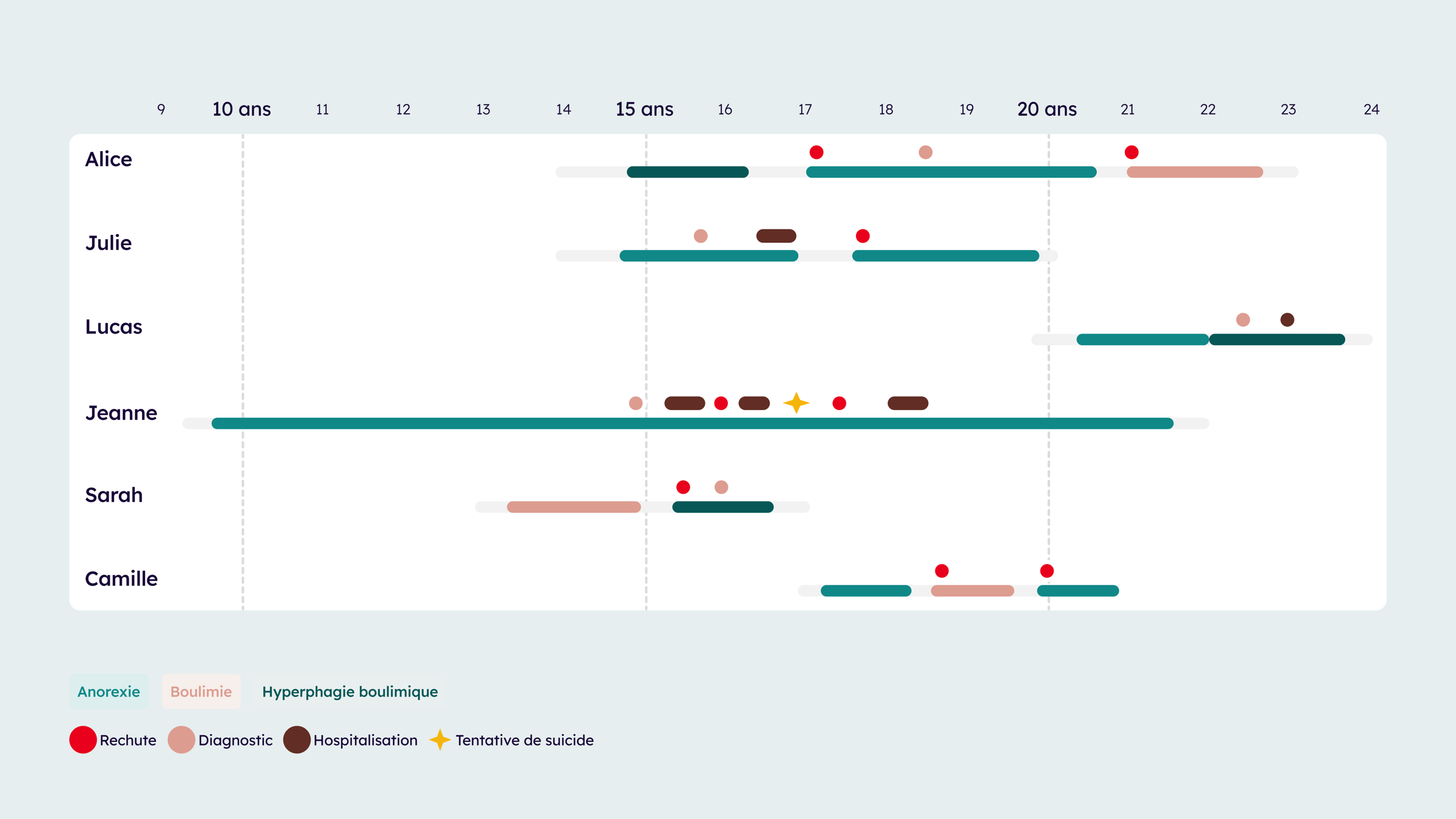
I conducted interviews with people living with eating disorders and with health professionals: nurses, psychologists, care coordinators. The research confirmed the importance of body reconnection in preventing relapse, but it also surfaced something I hadn't fully anticipated: full autonomy too soon can be as destabilising as no support at all.
The insight that shaped the whole project was this: the framework around a person matters as much as what you give them. A tool alone doesn't help. It needs to sit inside a structure: supervised enough to feel safe, flexible enough to build real independence.
Process
A device, an app, and a transition.
Story 1Anchoring the experience in the hospital
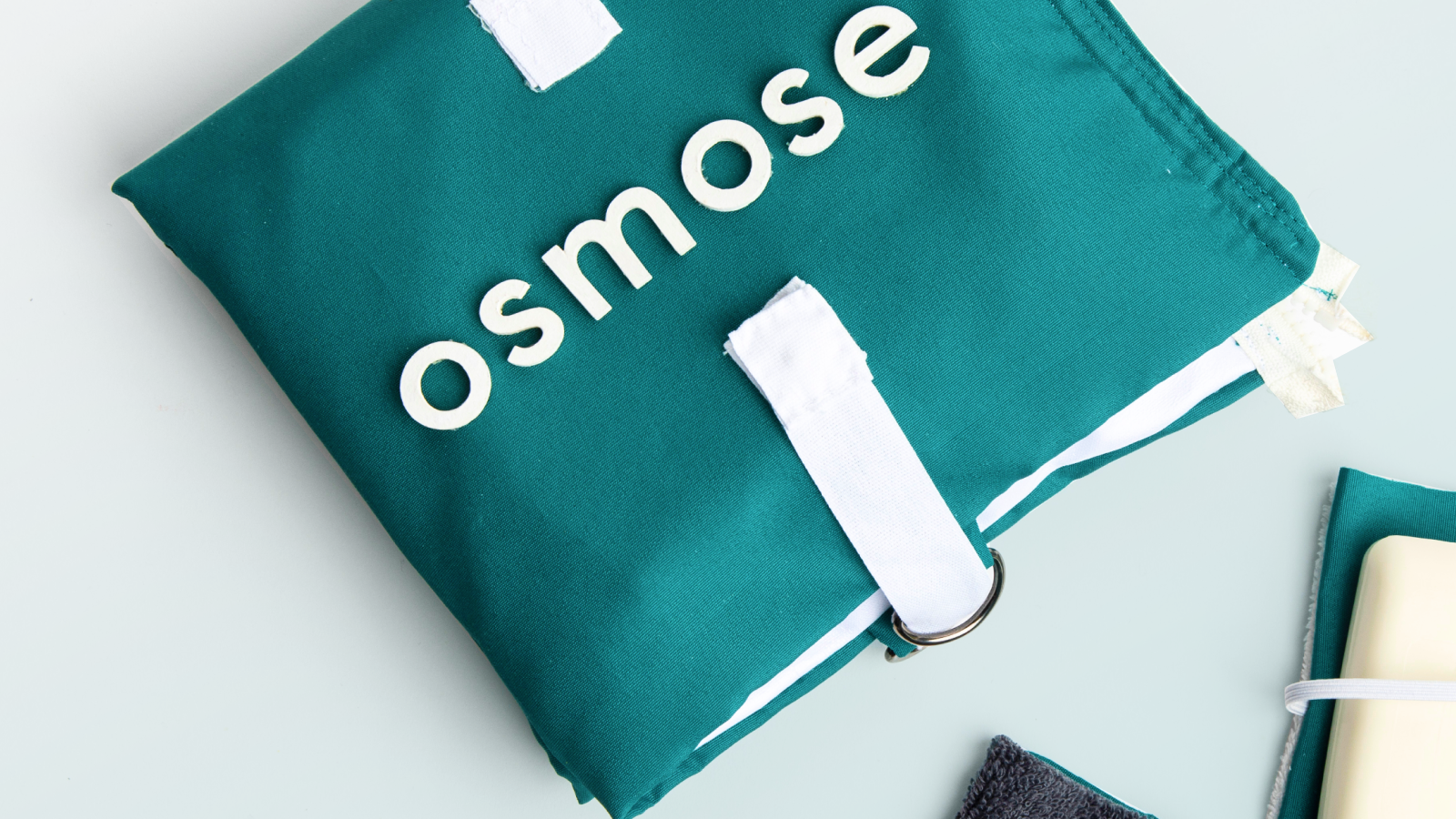
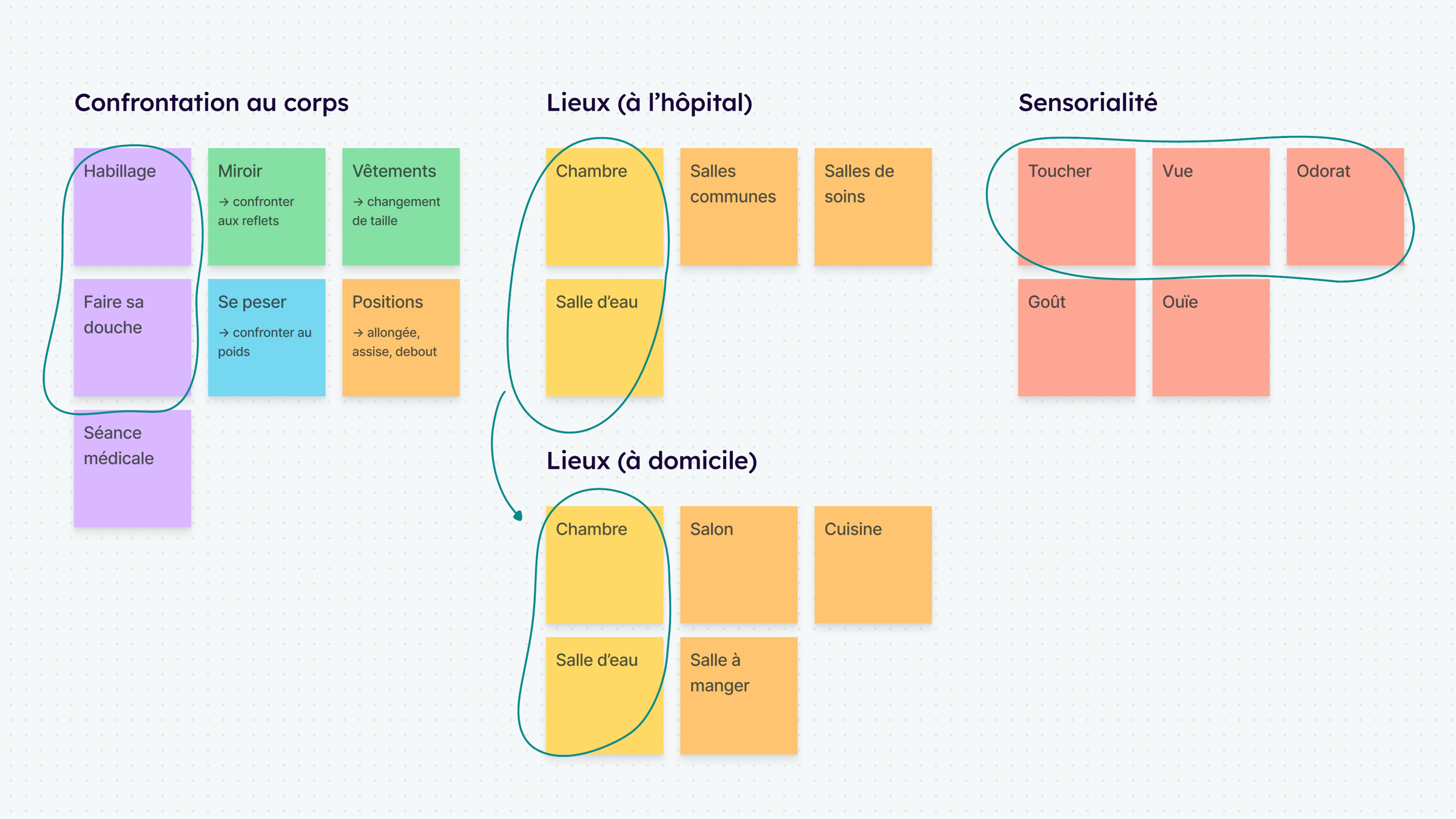
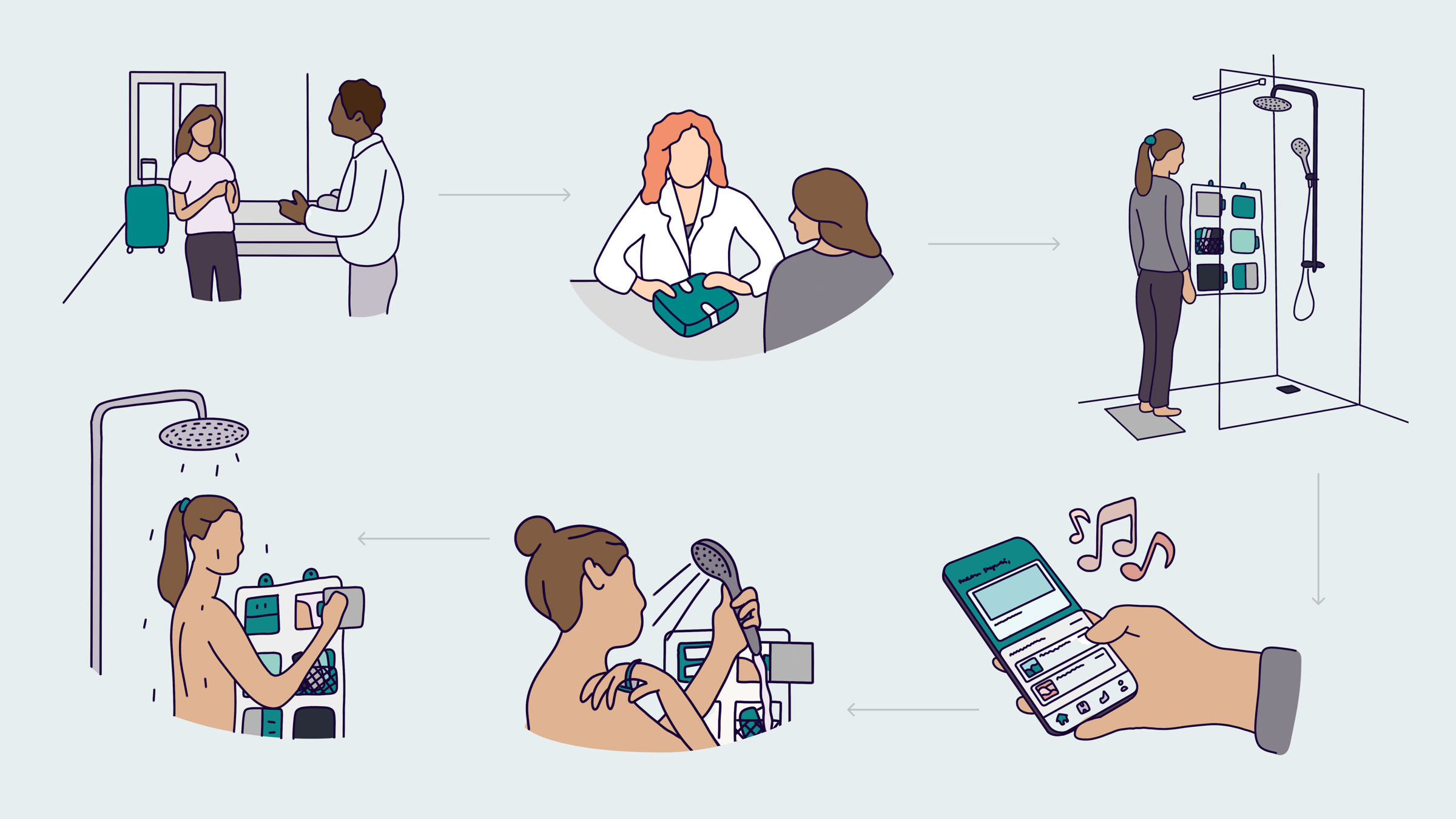
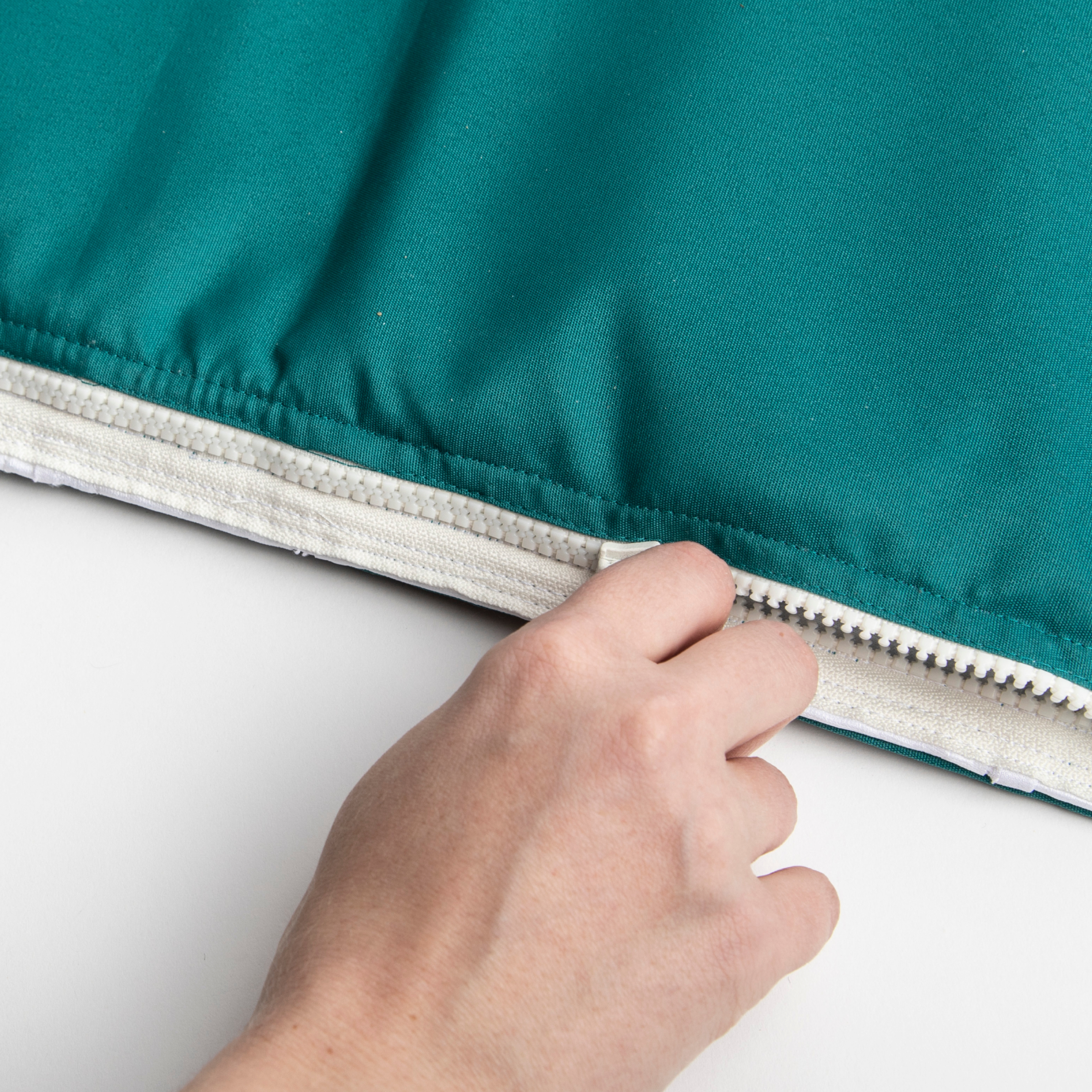
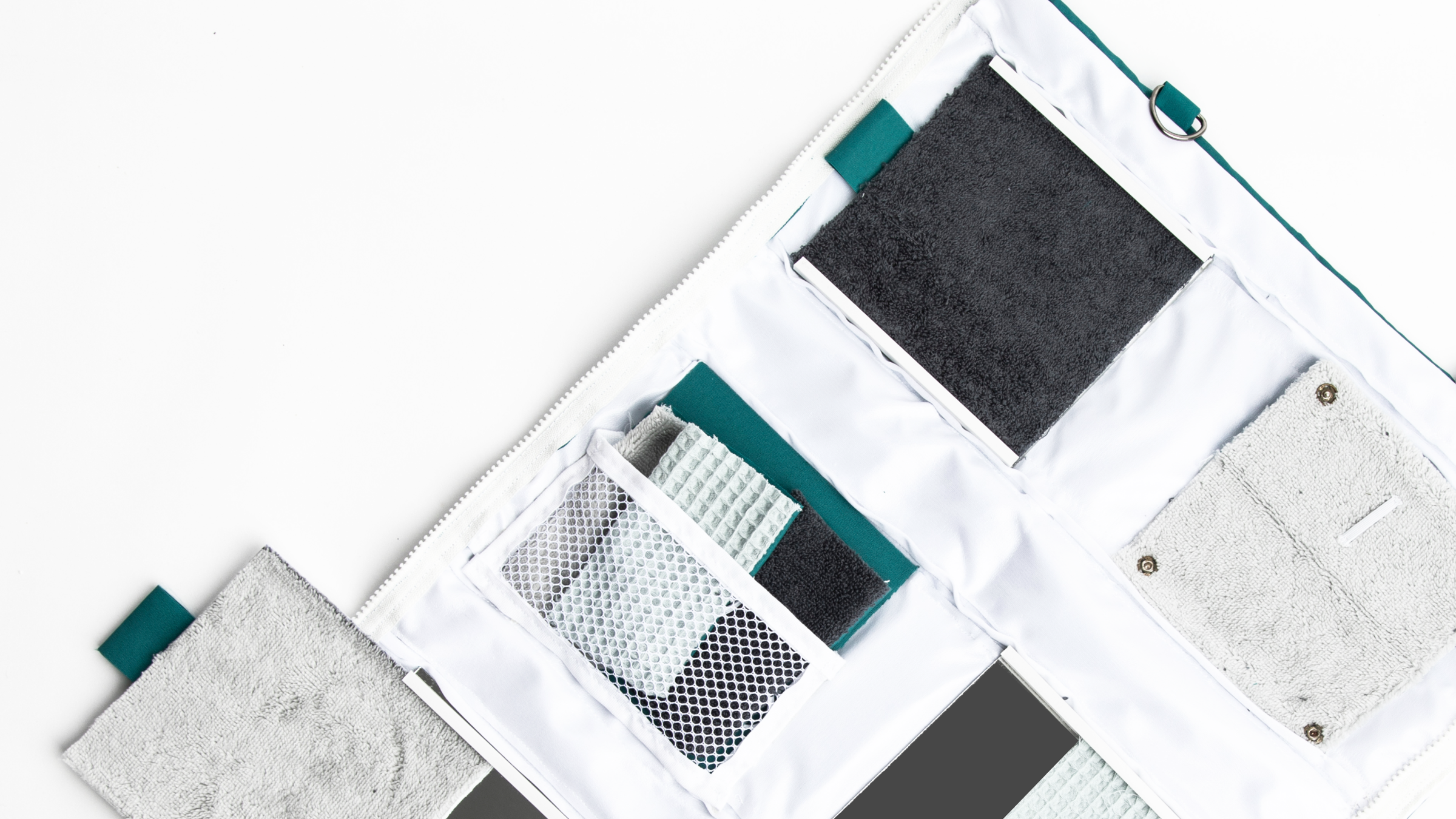
The sensory device is designed to be used during bathing, a moment that is already part of the daily hospital routine. It introduces body reappropriation through sight and touch in a familiar, contained context. Starting in the hospital means the first experiences happen with professional support nearby, reducing anxiety and building a foundation before the transition home.
Story 2The app as a guide, not a tracker
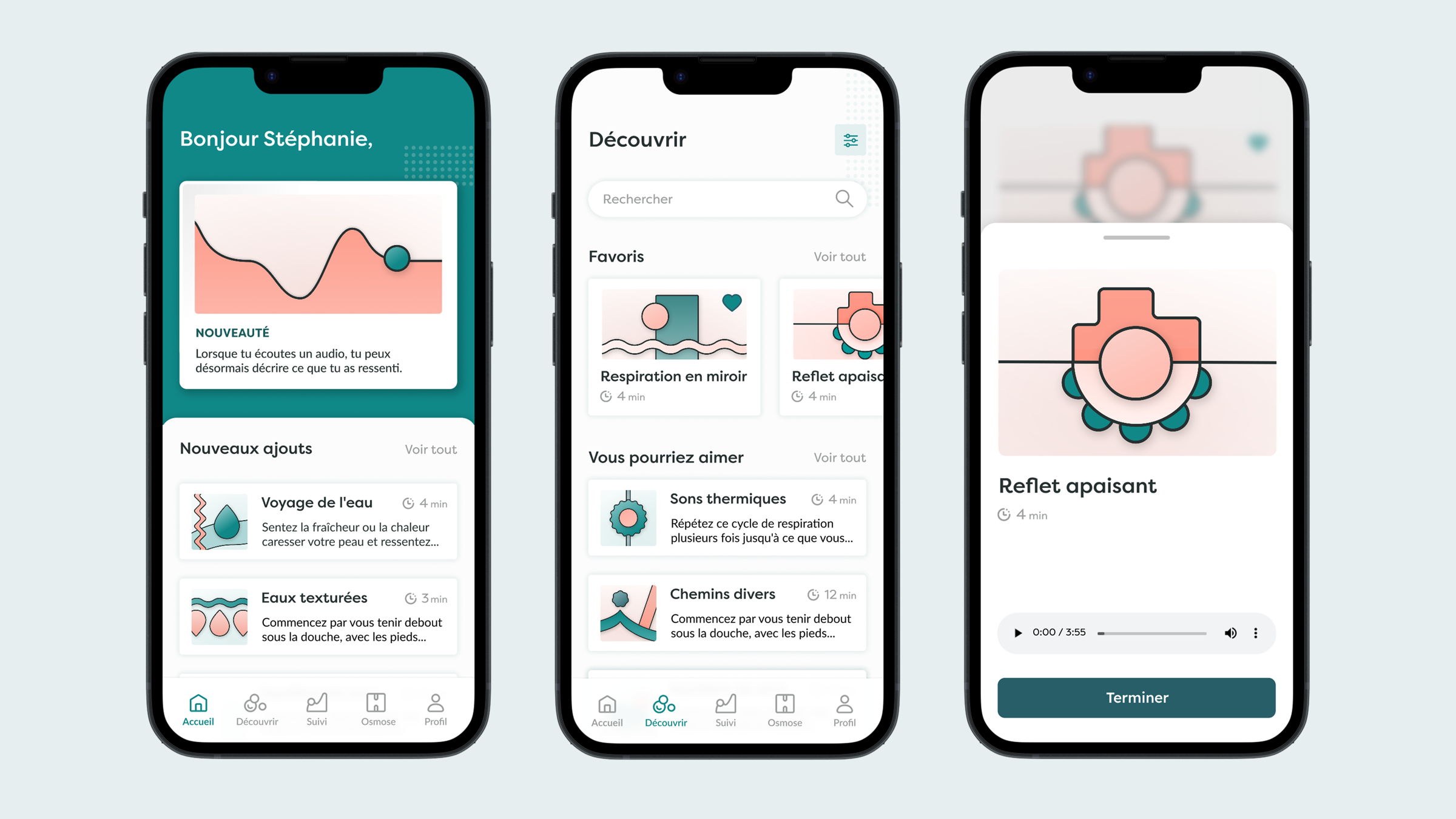
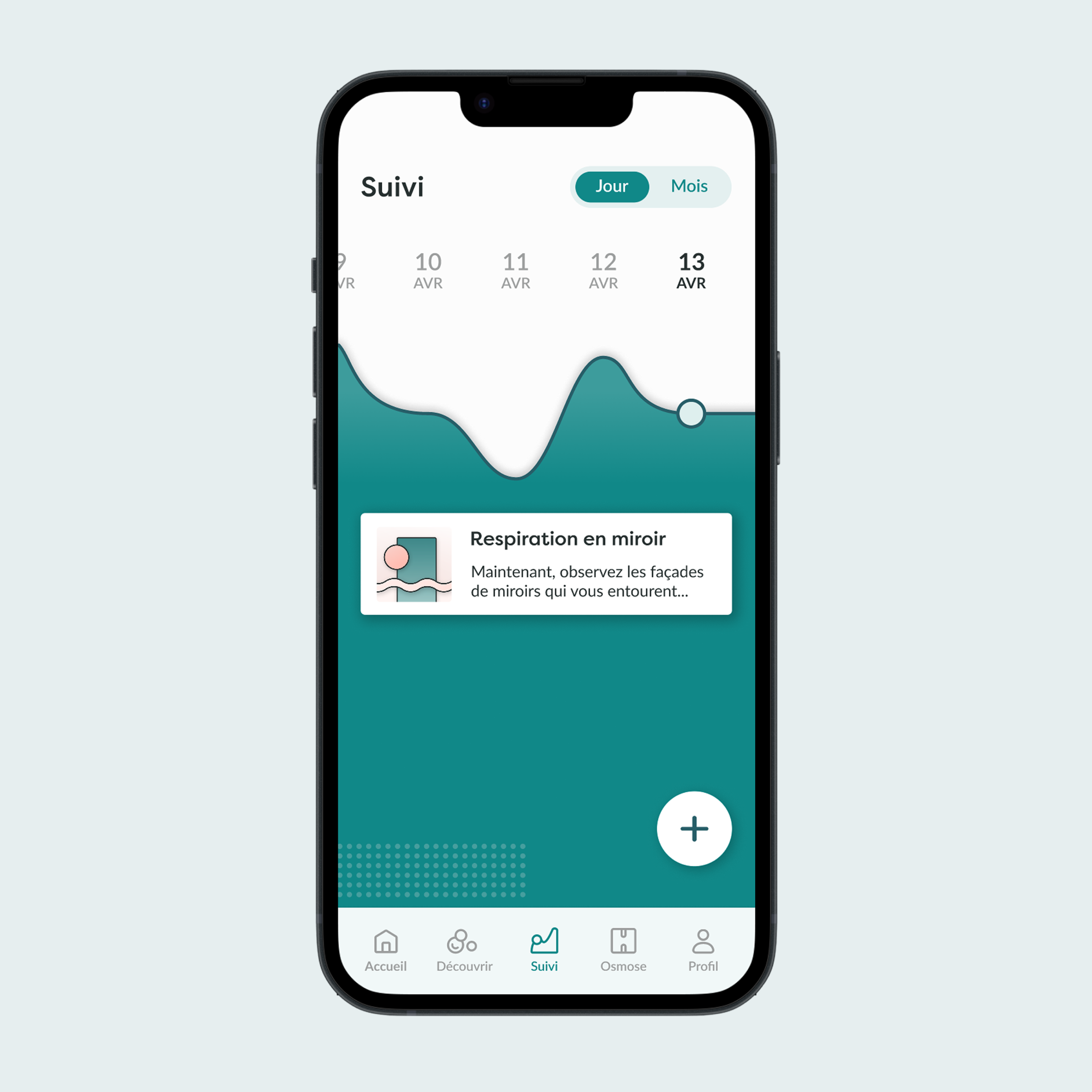
The mobile app accompanies the device. It guides users through their experience using sound and voice, making the moment feel supported without requiring a person to be physically present. After each session, users can log how they felt and follow their own evolution over time. The app also maintains a connection to their care team: if something seems wrong, a health professional is notified.
The design had to walk a careful line. Too much monitoring feels like surveillance. Too little and the safety net disappears. The app was built to feel like a companion, not a control system.
Story 3Designing the transition home
The system doesn't stop at the hospital door. As a patient progresses, the device and app travel with them. The professional support gradually steps back, but the connection remains. The person builds their own rhythm, their own relationship with the practice, while knowing help is still accessible. The goal is not dependence on the tool but the habits and awareness it helps create.
"When I was struggling with an eating disorder, I had no way to see my own progress. I was in my own bubble. I couldn't tell if I was doing better than the day before, or the month before."
Outcome
Osmose was presented as my Master's thesis at L'École de design Nantes Atlantique in 2023. The project spans service design, product design, and a no-code mobile prototype built to make the concept tangible and testable.
Working on this project changed how I think about designing for sensitive contexts. The most important design decisions were not about the interface or the object. They were about the relationship between the tool and the person using it, and the structure around them that makes it safe to try.